Tampa has a personality that shows up in the work we do. The long, humid summers, sudden summer storms, and a mild winter season present a set of predictable challenges and a few surprises that shape how contractors pour, finish, and protect concrete. For contractors who want reliable slabs, patios, driveways, and repairs, seasonal thinking is not optional. It determines materials, timing, labor plans, and the conversations you have with homeowners before a shovel ever hits the dirt.
Why this matters Concrete is a chemical process as much as it is a construction one. Temperature, moisture, wind, and sun change the timing and quality of that chemistry. In Tampa, weather drives differences in curing times, admixture choices, joint placement, and long-term durability. For property owners looking for Concrete Services in Tampa FL, understanding the seasonal realities reduces callbacks and hidden repair costs. For contractors, adapting to seasons preserves margins and reputation.
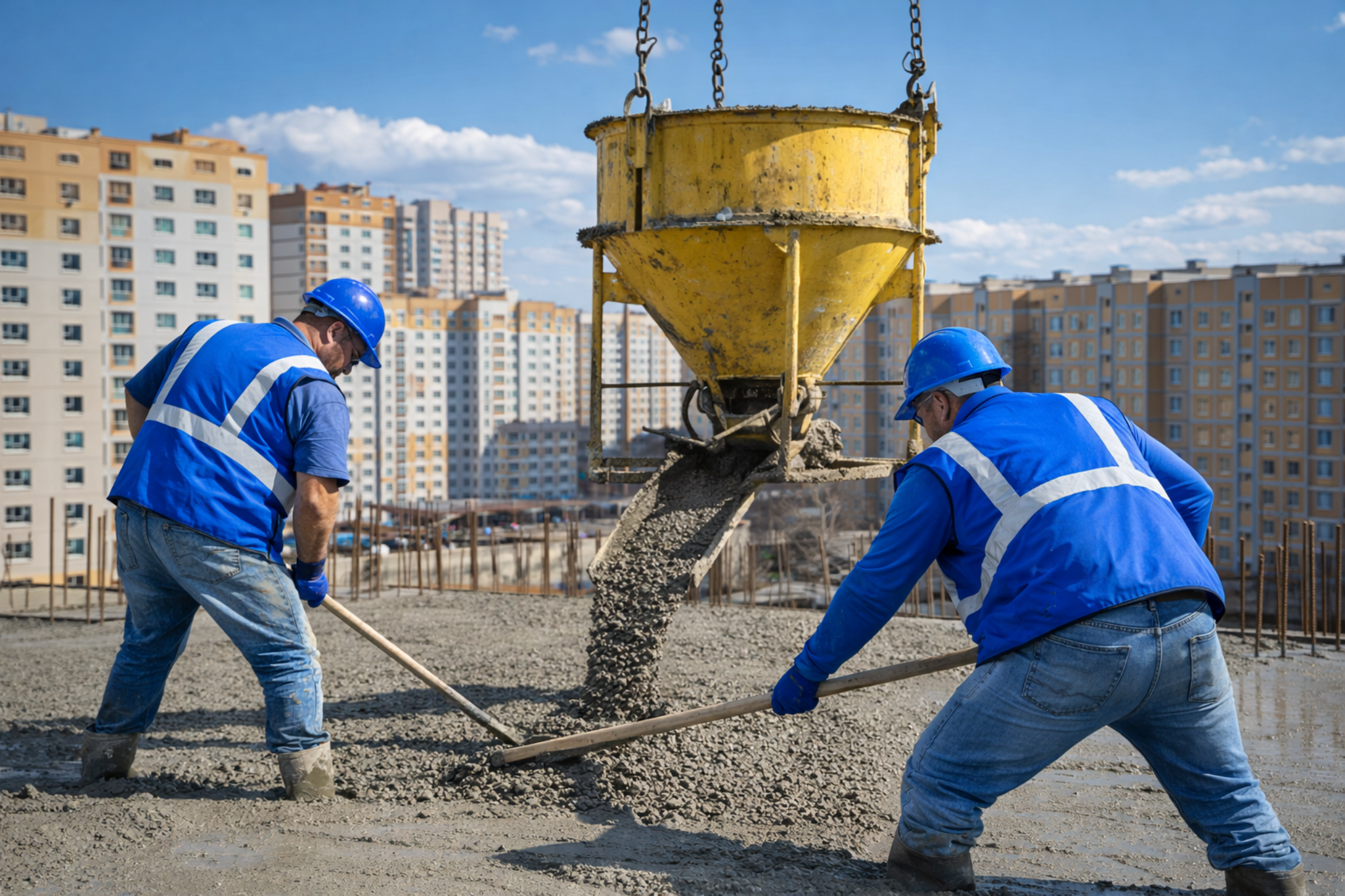
Summer heat and humidity: speed and control Summer in Tampa typically runs hot and wet. Daytime highs frequently sit in the mid 80s to low 90s Fahrenheit, with humidity often above 70 percent. High temperature speeds up the hydration reaction in concrete, which means the mix will set faster but can also develop plastic shrinkage cracks if moisture leaves the surface too quickly.
A practical example: on a June afternoon a recent driveway pour I supervised went from workable to unworkable in two hours. We had to adjust on the fly, switching to a retarding admixture and increasing fogging on the forms. Without those moves we would have had improper finishing and early cracking.
How this affects decisions
- mix design: Contractors shift to mixes with retarding admixtures, water reducers, and supplementary cementitious materials that slow early strength gain while improving long-term durability. placement windows: crews target early morning or late afternoon pours where temperatures are cooler and wind is typically lighter. curing methods: mulches, wet burlap, continuous curing compounds, and overnight fogging become standard practice rather than optional extras.
Rainy season and storm management Tampa’s rainy season, generally from late spring through early fall, brings frequent, heavy showers and occasional tropical systems. A sudden downpour during a pour introduces two problems: dilution at the surface, which weakens the cement matrix, and a wet subgrade, which compromises compaction and support.
On a residential slab replacement I managed, a stray thunderstorm during finishing left a sheen of diluted paste on the surface. We caught it quickly by inspecting the weather radar and pausing finishing when the first rumble showed on the app. We covered the pour with tarps and resumed only after the surface had cured sufficiently. The repair added cost but saved the slab from early scaling.
Storm readiness guidelines Preparing for rain is mostly logistics and communication. Schedule pours with flexible windows, have tarps and weighted covers at hand, and designate a foreman to monitor forecasts. For larger projects, stageable work where rebars and forms can remain without exposing fresh concrete helps avoid weather-related waste.
Hurricane season planning Hurricane season runs from June 1 to November 30, with peaks in late summer and early fall. Even if a tropical system does not make landfall, high winds, extended rainfall, and debris are risks. Hurricanes are not just about immediate rain, they affect the supply chain, labor availability, and access to sites.
Contractor-level responses include:
- sequencing work to secure partially completed areas before a storm, ensuring formwork is tied down and braced to resist uplift, arranging for rapid demobilization or protection of tools and materials, planning material orders with buffer times to account for delivery delays.
Cold snaps and mild winters Tampa winters are mild compared with much of the United States, but temperature dips still matter. Overnight lows can fall into the 40s during rare cold snaps. At those temperatures, hydration slows and some admixtures behave differently. There is less concern about freezing, but the slower cure requires contractors to allow longer time before opening to traffic or removing forms.
For example, a commercial sidewalk project in January required an extra 24 to 48 hours before handover because the engineer and I agreed the compressive strength gain would be inadequate for typical removal times at lower cure rates. The client preferred the delay over early failure, which demonstrates how judgment calls protect long-term outcomes.
Subgrade and drainage: year-round priorities Tampa’s flat geography and clayey or sandy soils affect how water moves under a slab. Poor drainage leads to trapped moisture under a slab, causing differential settlement and soft spots that show up months later. Seasonal rains worsen this if the subgrade is not prepared with proper compaction, geotextile separation, and drainage paths.
Good contractors integrate drainage work into the schedule. That can mean regrading, installing French drains, or specifying a thicker crushed stone base. On a multi-unit project, we specified 6 to 8 inches of compacted aggregate under driveways and sidewalks rather than the minimum three inches prescribed for some residential jobs. The extra cost up front eliminated a recurring call-back for sunken driveways on the wettest lots.
Material selection and admixtures Tampa contractors rely on certain admixtures more heavily than counterparts in drier climates. Retarders, plasticizers, air-entraining agents, and corrosion inhibitors are routine choices. Air entrainment, for example, is usually associated with freeze-thaw protection, but in Tampa it helps the concrete resist cyclical wetting and drying and improves workability in high w/c ratio mixes.
Portland cement types and supplementary cementitious materials like fly ash or slag can reduce heat of hydration and improve later-age strength. A practical mix for Tampa summers might include a modest amount of fly ash to reduce early heat and increase durability while retaining desirable setting behavior with a retarder.
Curing protocols: timing and methods Proper curing is the most underrated seasonal adjustment. When it is hot and humid, contractors focus on preventing rapid moisture loss for the first 24 to 72 hours. In cooler months, the goal is to maintain consistent moisture to achieve target strength before load.
Methods that work in Tampa
- continuous liquid curing compounds on exposed surfaces, saturated burlap and periodic rewetting under tarps for decorative concrete, insulating blankets during cool nights to preserve steady temperature.
I remember a decorative patio where the owner insisted on a broom finish despite July heat. We used a combination of early fogging and a higher dosage of curing compound, then covered overnight to maintain moisture. The finish held and the color remained consistent, avoiding the faint crazing that shows when surface moisture is lost unevenly.
Joint placement and crack control Seasonal shrinkage and thermal movement mean joints and reinforcement are not negotiable. In high temperatures, contraction joints need to be timed and placed to control cracking as the slab shrinks during cooling at night and drying during the day. In rainy conditions, joints may concentrate water movement, so backfilling and sealing become part of the plan to keep water away from the subgrade.
Practical guidance: place control joints at intervals no greater than 24 to 30 times the slab thickness in inches for exterior slabs. For a typical 4-inch slab, that means joints roughly every 8 to 10 feet, adjusted for load, geometry, and finish preferences.
Labor and crew management across seasons Seasonality affects people as much as material. Summer heat increases the risk of heat illness, so crews require more frequent breaks, hydration plans, and sometimes different shift patterns to work early mornings and evenings. These adjustments change labor productivity and cost. Conversely, mild winters can be peak production times when subcontractors and suppliers are less booked, offering better windows Concrete contractor in Tampa FL for larger pours.
A contractor I worked with rotated crews to early shifts in July and paid a small premium for night work when necessary. That reduced concrete waste from aborted pours and improved finish quality because surfaces cooled overnight. The premium paid for itself by reducing rework.
Permits, inspections, and seasonal bottlenecks Seasonal construction patterns influence permitting timelines. During the late spring and summer surge, inspectors and building departments are busier. That can delay project starts if you wait until peak season to file. For owners seeking Concrete Services in Tampa FL, an early permit application in spring often yields faster inspection windows and lower risk of weather-related delays.
Procurement and supply chain considerations Seasonal storms and hurricane threats can disrupt deliveries of cement, admixtures, and aggregates. Contractors hedge by ordering materials with a lead time buffer and maintaining relationships with multiple suppliers. For specialized mixes or decorative treatments, stockpiling accessories such as pigments, sealers, and curing compounds before hurricane season can avoid last-minute substitutions that compromise quality.
Cost management and estimating for seasons Seasonal risk shows up in estimates. Hot summer pours often include line items for admixtures, extra labor for faster finishing, and enhanced curing measures. Rainy season estimates account for potential tarping, delays, and even partial pours. Transparent estimates that describe seasonal contingencies build trust with clients and reduce pushback when weather forces changes.
A real-world accounting: on one estimate we included a 7 to 12 percent contingency for summer pours that covered early-retarder admixtures, additional curing supplies, and an overnight crew. That contingency rarely gets fully expended, but when it is needed the work quality remains high and the client avoids paying for a later repair.
Long-term durability and maintenance plans Seasonal-aware construction extends the life of a slab. With proper pours, jointing, drainage, and curing, concrete stands up to Tampa weather for decades. Maintenance is part of the sale. Recommend seasonal sealers for decorative work, check joint sealant after the first heavy rainy season, and advise clients to inspect drainage paths annually.
Selling the value When talking with potential clients about Concrete Services in Tampa FL, frame the conversation around risk reduction and lifecycle cost. A slightly higher upfront cost for a better base, thoughtful mix design, and season-specific curing will pay dividends over a 10- to 20-year horizon. All Phase concrete contractors who have seen war stories prefer to avoid the cheap pour that looks fine for a month and fails after the first heavy rainy season.
Five practical steps contractors and homeowners should agree on
Edge cases and trade-offs There are trade-offs. Adding fly ash slows early strength gain, which can delay form removal and extend project timelines. Using heavy air entrainment can slightly reduce compressive strength but improves durability under cyclic wetting. For fast-track commercial jobs you might accept a modest strength trade to keep schedule, but for decorative or high-traffic residential slabs the long-term performance usually takes precedence.
Another edge case is coastal salt exposure. Near Tampa Bay, chloride exposure from sea spray accelerates reinforcement corrosion unless you specify low-permeability concrete, adequate cover, and corrosion inhibitors. That changes material choices and sometimes requires thicker cover or stainless reinforcement for exposed structural elements.
Why choosing Concrete Services Tampa FL All Phase concrete the right contractor matters A contractor who understands Tampa’s seasons integrates weather, soil, materials, and labor strategy into every estimate. That contractor explains trade-offs clearly and documents a seasonally appropriate plan. For property owners searching for All Phase concrete services or similar, ask for examples of past projects completed in each season, request a mix design summary, and insist on written curing and jointing plans.
A final practical anecdote On a hospital expansion where the schedule could not slip, we poured two 12-foot by 50-foot slabs in July. We used a retarder, scheduled a pre-dawn start, and employed an additional finishing crew to keep the window tight. After finishing, we applied an extended-curing program with damp burlap under tarps for 72 hours and then liquid curing compound. The slab met strength targets faster than the owner expected and required no repairs. The extra planning cost about 4 percent of the pour but eliminated the risk of a costly re-pour later.
Seasonal thinking is not extra work, it is part of quality work In Tampa, seasons are a force that reshapes small choices into big outcomes. A contractor who respects that reality reduces defects, shortens lifecycle costs, and earns referrals. Property owners who ask the right questions get concrete that looks and performs the way it should. Whether you are discussing Concrete Services in Tampa FL with a homeowner or specifying mixes for an All Phase concrete contractor, the key is clear communication, realistic scheduling, and a plan that fits the calendar as much as the blueprint.